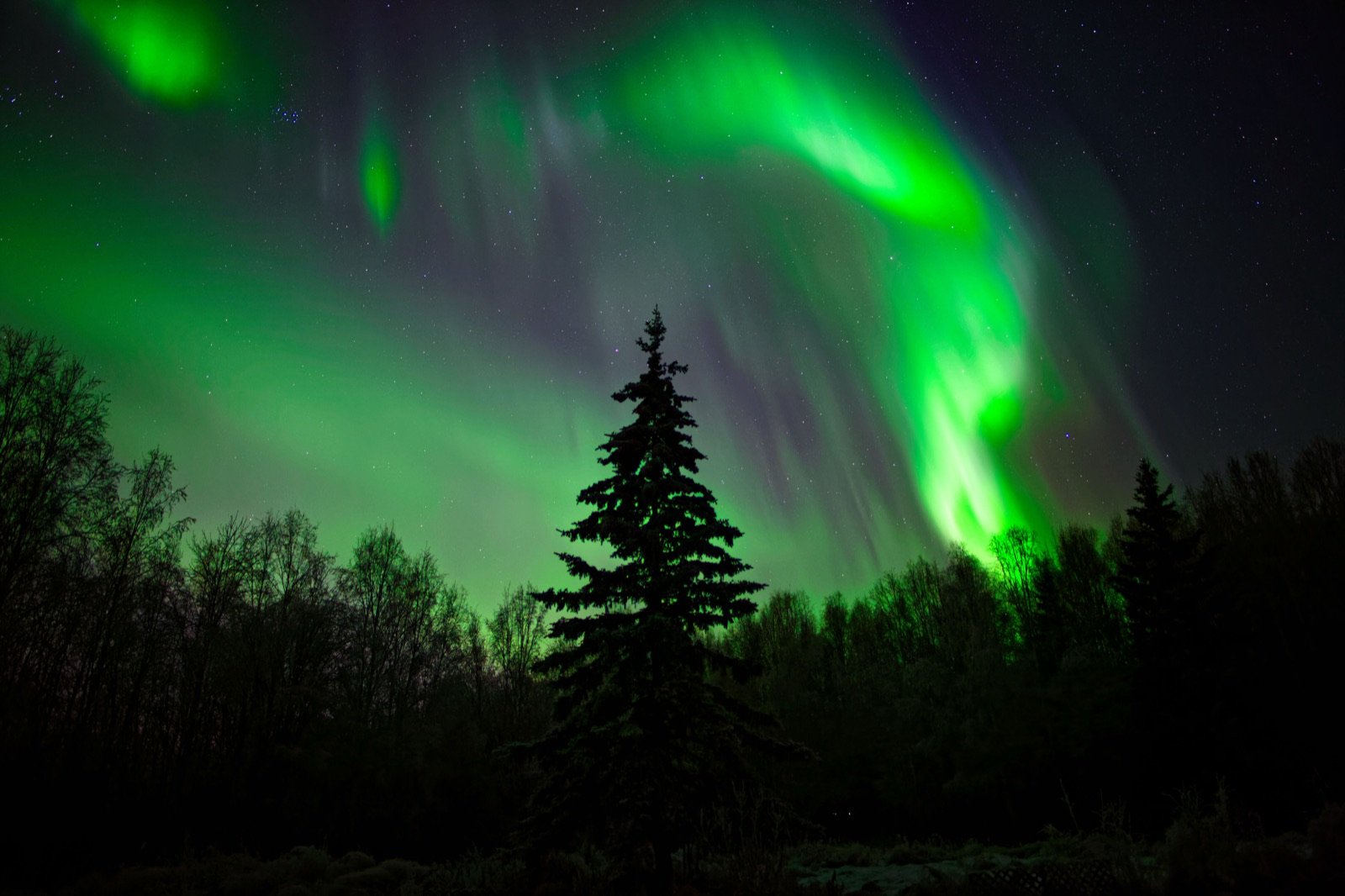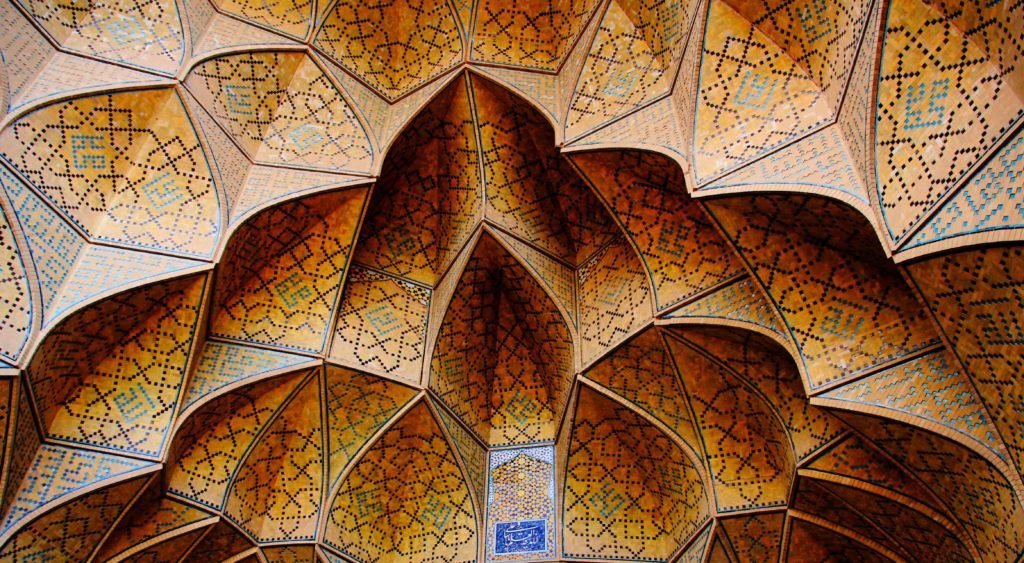
This footage is taken at Esfahan-Iran, during my recent visit.
"Esfahan is half the world"
There is an old Persian saying — Esfahān nesf-e jahān, "Esfahan is half the world" — and one walk across its central square explains it. The city was the capital of Persia under the Safavid dynasty in the sixteenth and seventeenth centuries, when Shah Abbas I poured the empire's wealth into gardens, bridges and some of the most beautiful Islamic architecture ever built.
Naqsh-e Jahan Square
Everything begins at Naqsh-e Jahan Square, a UNESCO World Heritage Site and one of the largest city squares on earth. Its four sides hold four masterpieces: the Shah Mosque with its turquoise dome and echoing prayer hall; the smaller Sheikh Lotfollah Mosque, whose cream-and-rose dome shifts colour with the daylight; the Ali Qapu Palace with its high music rooms carved like the inside of an instrument; and the entrance to the Grand Bazaar, where coppersmiths still hammer trays by hand as they have for four centuries.
The bridges of the Zayandeh
Esfahan's other signature is its bridges. Si-o-se-pol, the Bridge of Thirty-Three Arches, stretches nearly three hundred metres across the Zayandeh River, and the double-decked Khaju Bridge downstream doubles as a dam, a meeting place and, on most evenings, an open-air stage where locals gather under the arches to sing. When the river runs, there are few finer places anywhere to watch a sunset.
Beyond the square
Cross the river into the Armenian quarter of New Julfa to visit Vank Cathedral, where gilded frescoes cover every inch of the interior — a reminder of the city's long history of communities living side by side. The Chehel Sotoun pavilion and its reflecting pool, whose twenty columns become forty in the water, make a calm final stop.
Practical notes
Spring (March to May) and autumn (September to November) offer the kindest weather for walking. Esfahan sits about 1,500 metres above sea level, so even hot days cool quickly after sunset. Handicrafts here — miniature paintings, enamelwork, printed cloth — are among the best in Iran, and the bazaar remains the right place to find them.
More travel stories from this journal: the Muscat road trip and the Himalayan Valley of Flowers.